Processed Food Substitutes
Introduction
The Reference Daily Intake (RDI) for sodium is 2,300 mg — or about 1 teaspoon of salt (3Trusted Source) as described in the link below. My hypertension doctor says that my daily input should be between 1200 and 1600 mg. Since I received this advise, I have been searching for food substitutes that contain less or no sodium content. The link below describes the salt content of some of my normal diet which I shall attempt to change!
The links below jump to some of the alternatives that I have or will soon have to try!
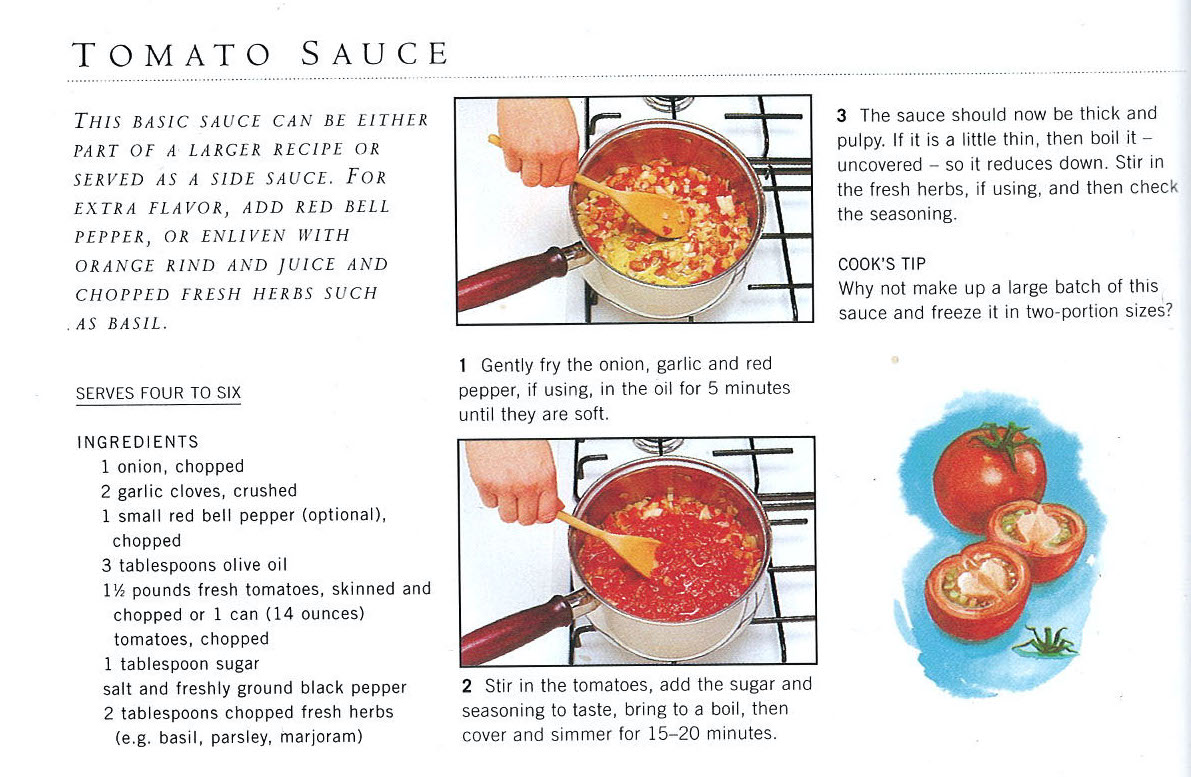
1. Tomato Sauce
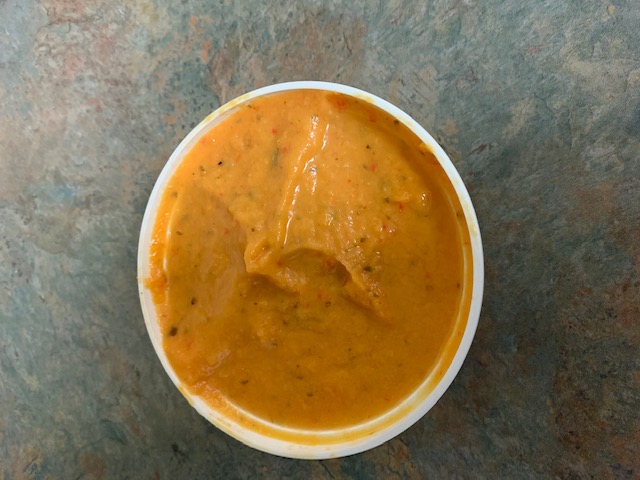
My soup turned out very orange!!
2. Low-Sodium Soy Sauce Substitute
This soy sauce substitute doesn't taste exactly like the real thing, but it makes a flavorful alternative if you are trying to reduce the amount of salt in your diet. Chinese cooking can be a very healthy way of eating, but the amount of sodium in a lot of dishes is on the high side. Fortunately, this can be modified in most Chinese dishes. An easy place to start is with soy sauce, which is used in many different recipes as well as often served on the table.
Reduced-sodium beef broth (25 percent less salt) gives this soy sauce substitute recipe 12 to 13 milligrams of sodium per tablespoon, about 25 mg per tablespoon if you boil down the sauce and reduce it by half. To lower the sodium count even further, use a sodium-free beef broth.
If you wish to avoid soy, this substitute is soy-free. You will get the effect of soy sauce without soy and with much less salt. There are also vegetarian and gluten-free modifications you can make.
Ingredients:
• 2 tablespoons reduced-sodium beef broth
• 1 tablespoon red wine vinegar
• 1 teaspoon balsamic vinegar
• 2 teaspoons molasses
• 1 teaspoon sesame oil
• 1/8 teaspoon garlic powder
• Black pepper (to taste)
• 1/4 cup water (boiling)
Steps to make it:
a) Gather the ingredients.
b) Combine all the ingredients.
c) At this point, you can either use the sauce as is, leaving for an hour to give the
flavors a chance to blend or boil the liquid until it is reduced by half, to about 3 tablespoons.
d) Store the soy sauce in a sealed container in the refrigerator. The sauce will keep for about a month in the refrigerator. Discard it if you see any mold, off-colors, or odors.
e) Serve with your own homemade sushi or other rice-based dishes and enjoy!
The recipe yields enough to prepare approximately two meals. You can scale the recipe up if you'd rather make a larger batch and anticipate using it within a couple of weeks. Just remember that while the salt is reduced, it still has some salt, so plan your use accordingly.
Feel free to tinker with the ingredients to get the best flavor. The sodium is mostly in the beef broth, with a small amount in the molasses (2 milligrams per teaspoon) and the balsamic vinegar (1 milligram per teaspoon). You can alter the other ingredients without changing the sodium content.
To make this recipe vegetarian, substitute vegetable broth for the beef broth. Just be aware this will alter the flavor somewhat, so experiment a little until it tastes the way you prefer.

3. Cream Corn
The link below is the recipe that I attempted:
The picture below is the result of my attempt

I cut the recipe in half, using 2 cups of frozen corn instead of 4. I also used 18% cream instead of heavy cream. I did not add any salt. I used a blender instead of a hand mixer and blended 1 1/2 cups instead of the 1 cup listed in the recipe.
The corn tasted good but sweet. If I made it again I would add less sugar and maybe less cream!
I plan to use this cream corn recipe in a chicken and corn chowder (maybe in a slow cooker).
4. Vegetable Broth
This vinaigrette is quite easy, using staples from your pantry and doesn't use salt! Bulk up on the lemon juice for extra zing. You can also substitute tarragon vinegar for a different feel. Serve over a tossed salad, antipasto, or as a quick marinade for beef, chicken, or pork.

5. No Salt Vinaigrette
Ingredients:
• 1/2 cup red wine vinigar
• 1/3 cup olive oil
• 1 teaspoon lemon juice
• 2 cloves garlic, crushed
• 1 teaspoon Italian seasoning
• 1/8 teaspoon white pepper
Directions
Whisk together the red wine vinegar, olive oil, lemon juice, garlic, Italian seasoning, and white pepper in a small bowl. Let stand for at least 15 minutes before serving.
Nutrition Facts
Per Serving: 87 calories; 9.1 g fat; 1.8 g carbohydrates; 0.1 g protein; 0 mg cholesterol; less than 1 mg sodium. Full nutrition
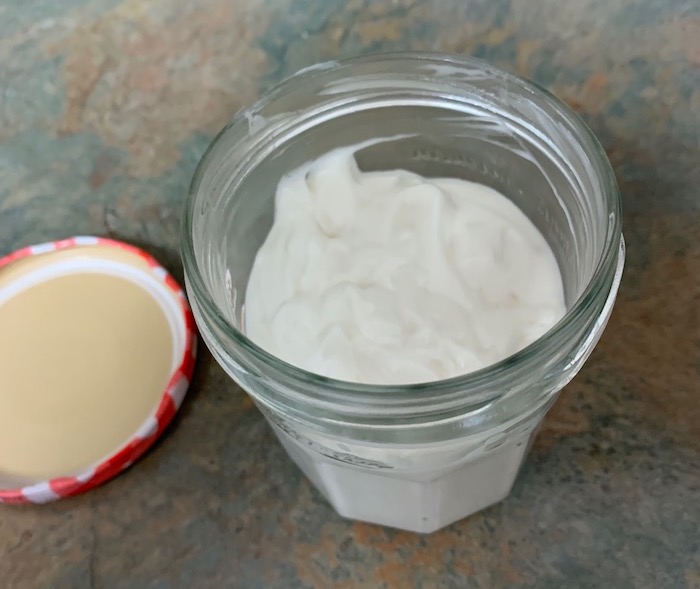
6. Low Sodium Mayonnaise
Ingredients:
• 1/2 tsp sugar
• 1/2 tsp dry mustard
• few grains red pepper
• 7/8 cup salad oil
• 1 egg white
• 4 1/2 tsps vinegar
Directions
Combine first 3 ingredients in a bowl. Add egg white, beat well. Add oil to egg whites a little at a time, beating continually until 1/2 cup is used. Then add 1 1/2 tsp vinegar. Continue adding remaining oil a little at a time. Beat in last tablespoon of vinegar. Keep refrigerated.
Nutrition Facts
Calories: 135; Total Fat: 15.0 g; Saturated Fat: less than 1 g; Polyunsaturated Fat: less than 1 g;Cholesterol: 0 mg; Sodium: 3 mg; Carbohydrates: 0 g; Sugars: less than 1 g; Fiber: 0 g; Protein: 0 g
Source: Heart Healthy Recipe Book
7. Homemade Italian Dressing
Ingredients:
• 1/2 cup extra-virgin olive oil OR neutral vegetable oil, such as sunflower
• 1/4 cup red or white wine vinegar
• 2 tbsp water
• 1 or 2 tsp honey
• 3 tbsps freshly grated Parmesan
• 3/4 tsp garlic salt
• 3/4 tsp dried basil
• 3/4 tsp dried parsley
• 1/8 tsp dried oregano
• pinch of red pepper flakes
• 1 tsp lemon juice
• freshly ground black pepper, to taste
Instructions
Measure all ingredients into a jar with a tight-fitting lid. Shake vigorously until well-blended and emulsified. Taste and adjust seasonings, adding more salt and pepper if necessary.
(Alternatively, you may whisk ingredients together in a bowl, process ingredients in a mini food processor, or blend them in a blender.) Store leftovers in a sealed container in the refrigerator; allow to come to room temperature and shake well before using.
Notes
The honey mellows out the acidity of the dressing, but you may add more or less, to taste.
Nutrition Facts
Serving: 2tbsp, calories: 129kcal; fat: 14.0g; saturated fat: 2g; cholesterol: 1mg; sodium: 247mg; vitamin a: 15iu; vitamin c: 0.2mg; calcium: 23mg; iron: 0.2mg